DIY Bookkeeping Tips for Small Businesses in Jamaica
Understanding the Basics of Bookkeeping
Bookkeeping is a crucial aspect of managing any small business, especially in Jamaica where economic conditions can be dynamic. At its core, bookkeeping involves recording all financial transactions. This helps in tracking expenses, managing cash flow, and ensuring compliance with tax obligations. For small business owners, understanding these basics can lead to improved financial decision-making.
The primary components of bookkeeping include tracking income, expenses, assets, liabilities, and equity. By keeping accurate records, you can gain insights into your business's financial health. This is essential for developing growth strategies and securing funding if needed.

Setting Up a Bookkeeping System
Creating an efficient bookkeeping system is the next step. You have the option of using traditional paper-based systems or digital software solutions. Many small businesses in Jamaica are now opting for cloud-based accounting software, which offers real-time data access and analysis.
When setting up your system, ensure that it aligns with your business needs. Consider factors such as the complexity of your transactions, your budget, and your comfort level with technology. Popular software options include QuickBooks, Xero, and FreshBooks, which cater to various business sizes and types.
Organizing Financial Documents
Proper organization of financial documents is vital. This includes invoices, receipts, bank statements, and tax documents. Maintain both physical and digital copies, if possible, to safeguard against loss. Regularly updating and categorizing these documents will save time during tax season and audits.
Tracking Income and Expenses
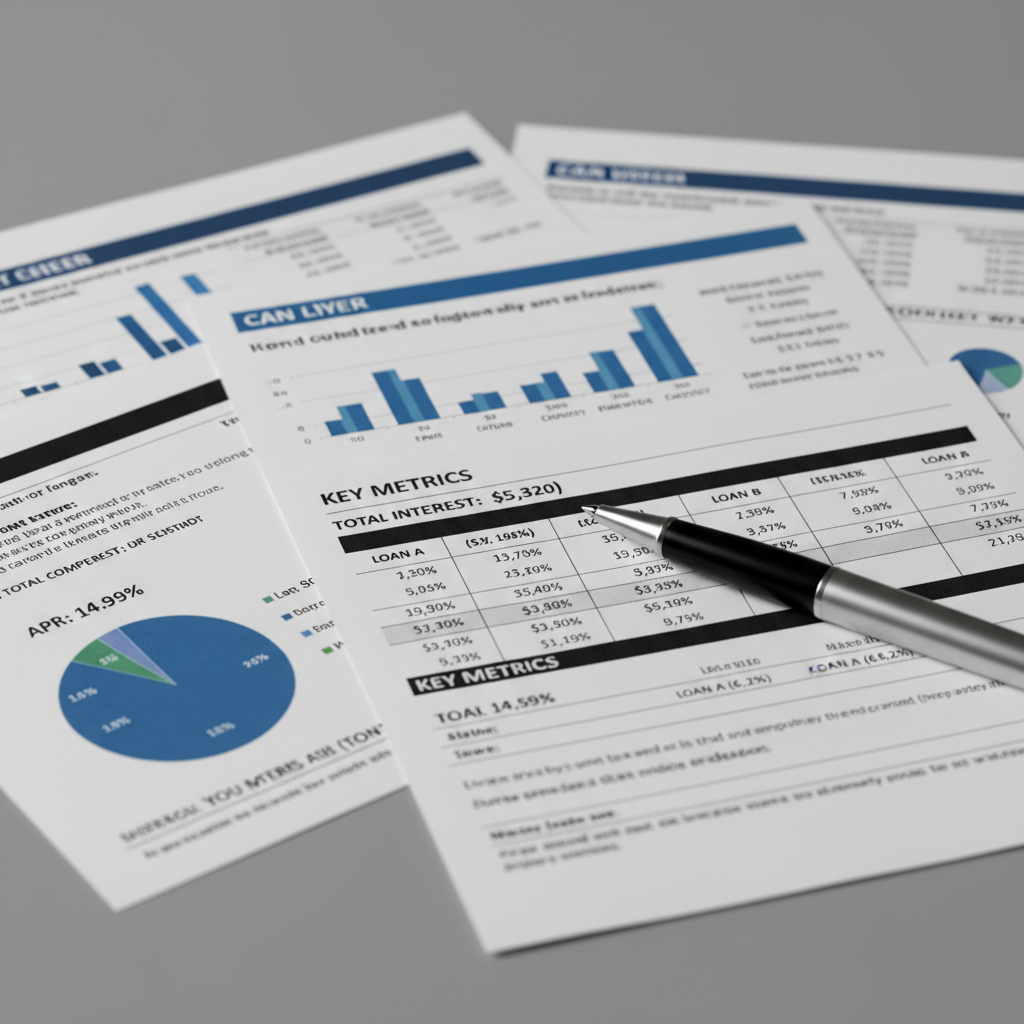
One of the primary goals of bookkeeping is to track your business's income and expenses. This involves recording every sale and purchase. By doing so, you can identify trends and make informed decisions on budgeting and spending.
Use categories to organize expenses, such as utilities, inventory, and payroll. This will help you understand where your money is going and identify potential areas for cost reduction. Additionally, regularly reconciling your accounts ensures accuracy and helps prevent financial discrepancies.
Managing Cash Flow
Cash flow management is essential for maintaining your business's liquidity. This involves monitoring the inflow and outflow of cash to ensure you have enough to cover expenses. Implement strategies such as offering discounts for early payments or negotiating better terms with suppliers to improve cash flow.
Preparing for Tax Obligations
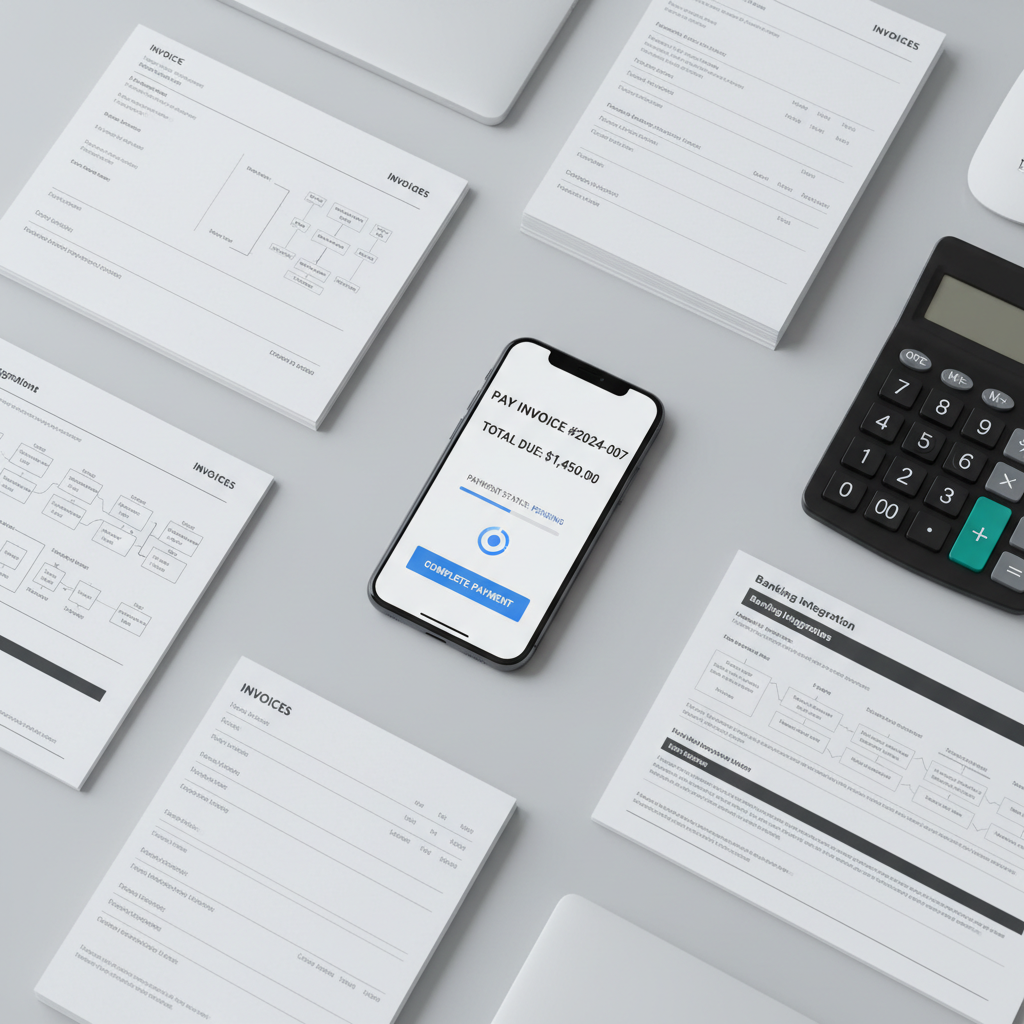
Tax compliance is a critical aspect of running a business in Jamaica. As a small business owner, staying informed about local tax regulations and deadlines is crucial. Regularly updating your financial records will make tax preparation more manageable and reduce the risk of errors.
Consider consulting with a tax professional to understand your obligations and any potential deductions. This can lead to significant savings and ensure compliance with Jamaican tax laws.
Regularly Reviewing Financial Statements
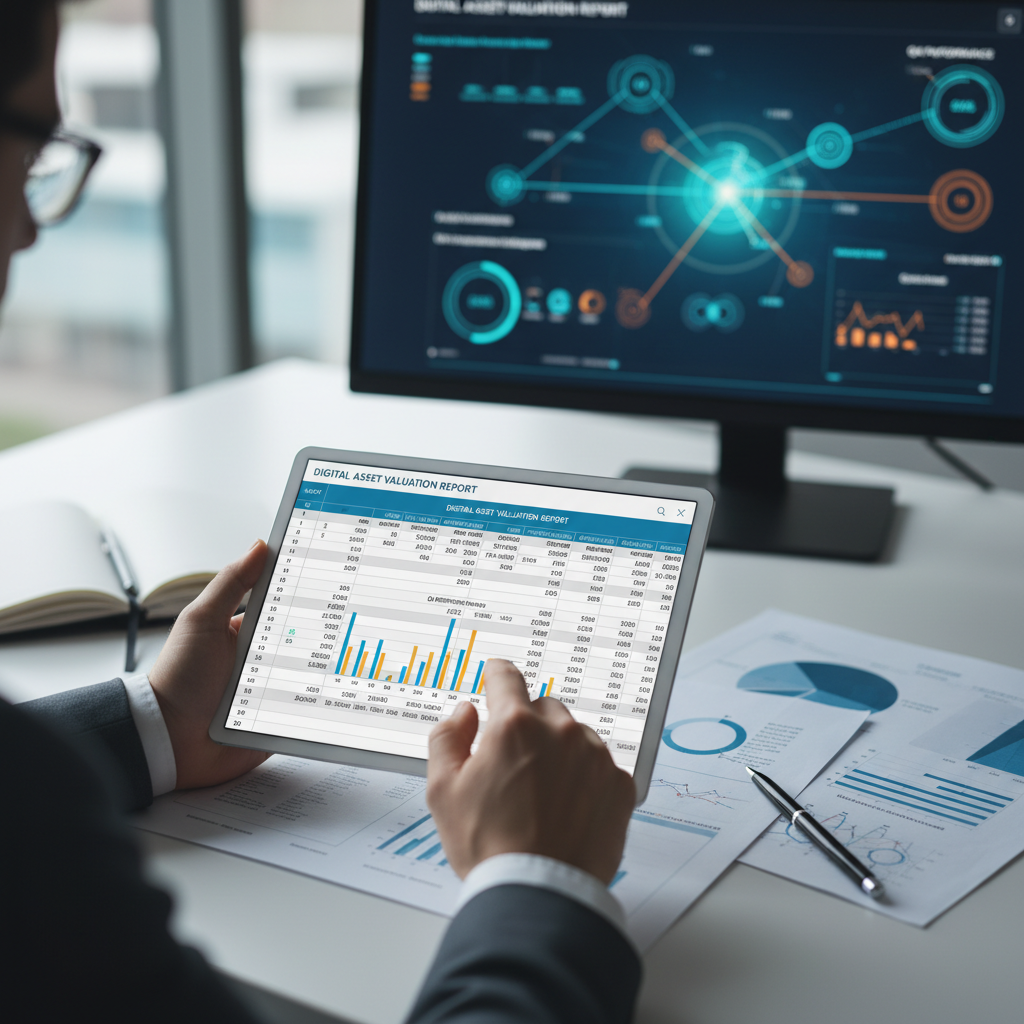
Regularly reviewing your financial statements, such as the income statement and balance sheet, provides valuable insights into your business's performance. These documents highlight your profitability and financial position, allowing you to make informed decisions.
Set aside time each month to review these statements. This practice not only helps in identifying trends but also prepares you for any financial challenges that may arise.
Conclusion
DIY bookkeeping can be a manageable task for small businesses in Jamaica with the right approach. By understanding the basics, setting up an efficient system, and regularly reviewing your finances, you can maintain control over your business's financial health. Remember, the key is consistency and attention to detail, which can ultimately lead to long-term success.